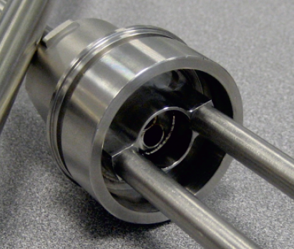

Laser welding has become established as one of the most precise and economical joining processes for the production of high-quality sensors and thermowells. In particular, pressure sensors, temperature sensors, measuring probes, as well as medical and industrial sensor assemblies, place extremely high demands on leak tightness, reproducibility, and minimal thermal impact.
The highly focused laser beam produces narrow, clean weld seams with a very small heat-affected zone. As a result, sensitive sensor elements, electronics, and adjacent components remain largely unaffected. At the same time, even very thin-walled components or different material combinations can be welded reliably.
Depending on component geometry and production volume, different laser systems are used.
For development, prototyping, as well as small and medium-sized production runs, our manual laser welding systems from the T-Base and Ergo series are particularly suitable.
Both systems enable highly precise manual welding under microscope or camera observation and provide the operator with maximum control over the welding process. Thanks to their ergonomic design and intuitive operation, even complex sensor assemblies can be processed safely and efficiently.
Depending on the material and component, different laser sources are available. In addition to conventional flashlamp-pumped Nd:YAG lasers, modern FSS-QCW fiber lasers are used, offering significantly higher energy efficiency, lower maintenance requirements, and excellent process stability.
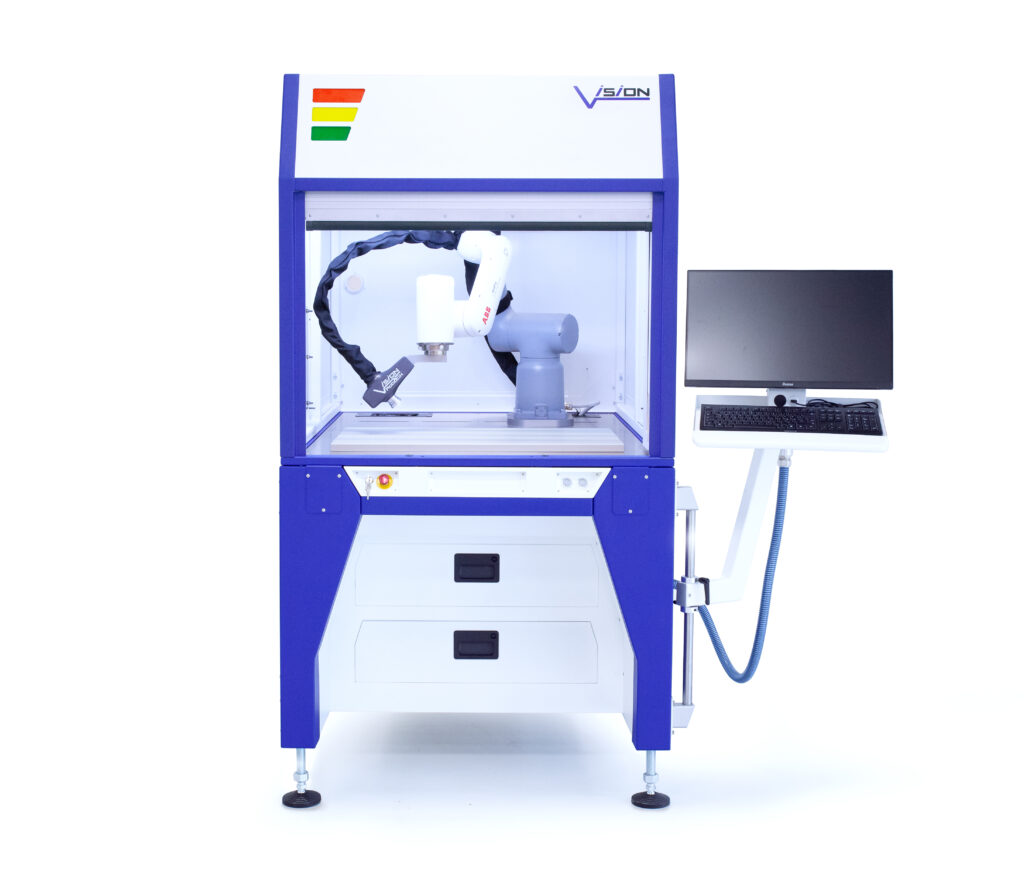
For higher production volumes and automated manufacturing processes, the RoboHAWK was developed.
The system is based on the modular HAWK platform and combines a collaborative 6-axis robot with state-of-the-art laser welding technology to create a universal automation solution for sensor production.
Once the system has been taught, sensors, thermowells, and other components can be welded reproducibly and with consistently high quality. Camera-assisted programming and CAD-based path planning significantly reduce programming effort and enable short setup times, even for new products.
Depending on the application requirements, the RoboHAWK can be expanded modularly, for example with:
Thanks to the standardized HAWK platform, users benefit from significantly lower investment costs compared with conventional custom-built systems. At the same time, the system remains expandable over the long term and offers high spare parts availability, as all platform variants are based on the same standardized components and assemblies.

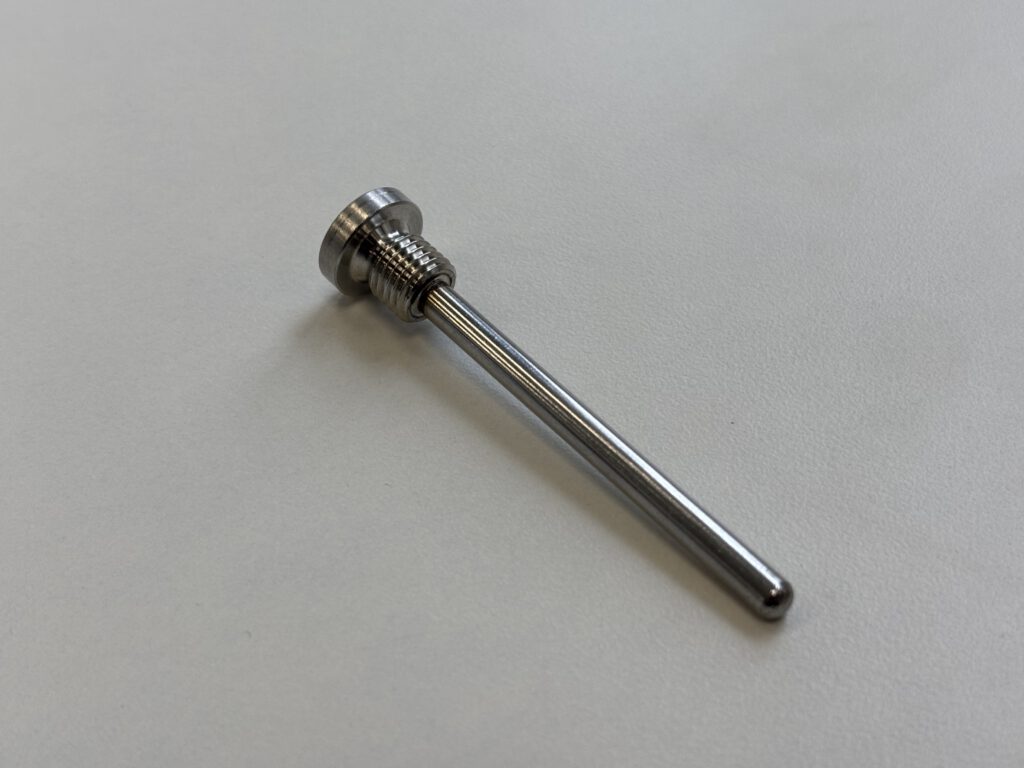
Particularly in sensor production, consistently high process quality is crucial to ensuring the reliable performance of the finished product.
Our laser welding systems deliver reproducible welding results through:
Even sensitive diaphragms and thin-walled thermowells can be welded with minimal distortion and excellent seam quality. The low heat input reduces stresses within the workpiece and helps preserve the properties of sensitive components.
Whether for prototypes, small-batch production, or fully automated series manufacturing – Vision offers the right laser welding solution for virtually every sensor production application. From manual workstations and flexible production systems to the fully automated HAWK platform, customers receive a future-proof solution from a single source.
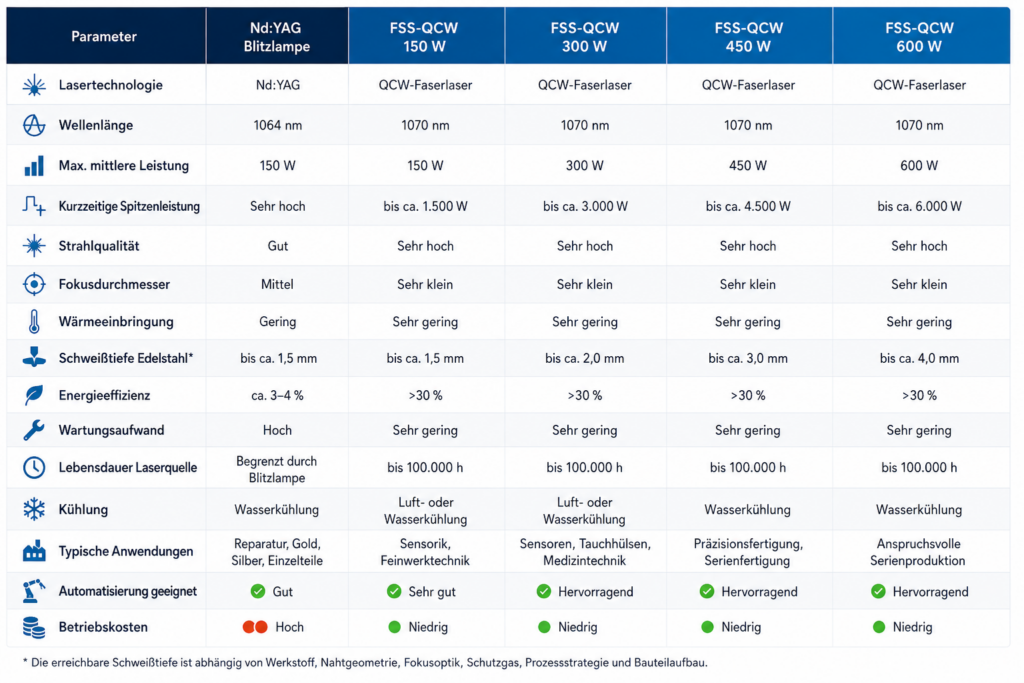
Learn more about the advantages and disadvantages here